


-

Add: HeBei ShengShi HongBang Cellulose Technology CO.,LTD.
-

Email
13180486930@163.com -

CONTACT US
+86 13180486930


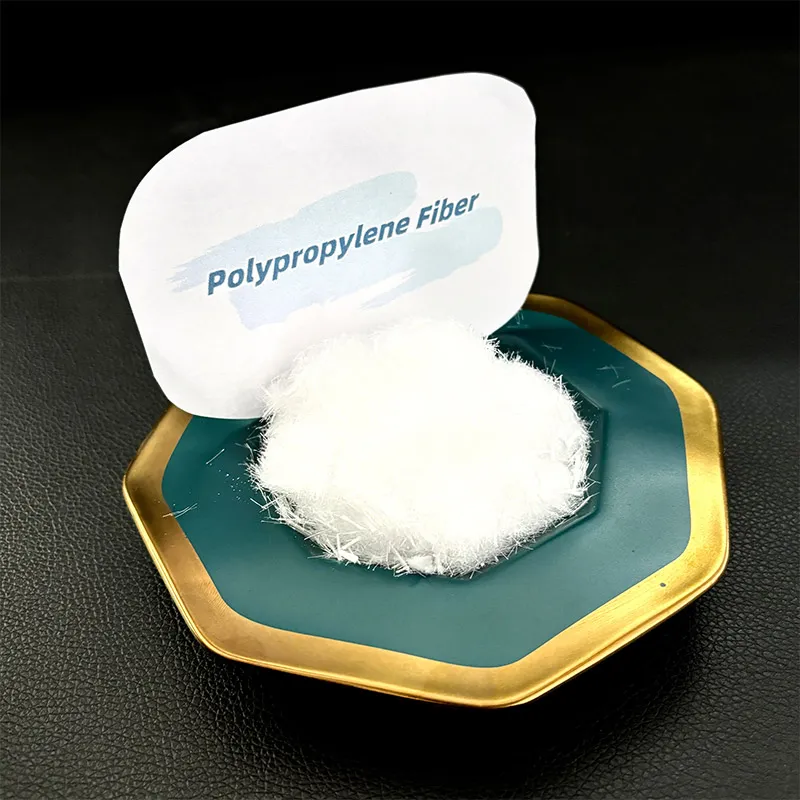
Understanding Polyolefin Fibers Properties, Applications, and Advantages Polyolefin fibers, derived from polyolefin resins, have become an integral part of various industries, ranging from textiles to automotive and construction. Polyolefins, primarily polyethylene (PE) and polypropylene (PP), are polymers characterized by their versatility, lightweight nature, and resistance to chemicals and moisture. This article delves into the properties, applications, and benefits of polyolefin fibers. Properties of Polyolefin Fibers Polyolefin fibers exhibit a range of properties that make them suitable for different applications. One of their most notable characteristics is their resistance to moisture and chemicals. Unlike natural fibers, polyolefin fibers do not absorb water, making them ideal for use in damp environments. This resistance also contributes to their longevity, as they are less prone to mildew and deterioration. Another significant property is their lightweight nature. Compared to other synthetic fibers, polyolefin fibers are less dense, which offers convenience and ease of handling, especially in textile applications. Furthermore, these fibers have excellent thermal stability, remaining effective across a broad temperature range. Their low melting point, however, requires careful handling during processing and manufacturing. Polyolefin fibers are also renowned for their tensile strength and flexibility. These attributes not only enhance their durability but also allow for a variety of weaving and knitting techniques, leading to diverse fabric textures and styles. Additionally, they exhibit colorfastness, which means that dyes and pigments adhere well to the fibers without fading over time—a crucial factor for textile manufacturers. Applications of Polyolefin Fibers The versatility of polyolefin fibers has led to their widespread adoption across various industries. In the textile sector, polyolefin fibers are commonly used to produce non-woven fabrics, geotextiles, and various clothing items. Their moisture-wicking properties make them particularly popular in activewear and athletic apparel, where breathability and comfort are paramount. fibre de polyoléfine In the automotive industry, polyolefin fibers are utilized in interior components such as seating, carpeting, and insulation. Their lightweight nature contributes to overall fuel efficiency, aligning with industry trends toward sustainability. Additionally, the fibers impart excellent sound insulation properties, leading to a quieter ride for passengers. Polyolefin fibers are also gaining traction in the construction sector. Their resistance to moisture and chemicals makes them ideal for applications in roofing, insulation, and protective coverings. Furthermore, the fibers can be incorporated into concrete to improve its tensile strength, durability, and resistance to cracking. Advantages of Polyolefin Fibers The advantages of using polyolefin fibers are numerous and compelling. First and foremost, they offer excellent cost-effectiveness. As one of the most produced synthetic fibers globally, polyolefins are readily available and can be manufactured at a lower cost compared to other materials. Additionally, the sustainability aspect of polyolefin fibers is gaining attention. While traditional plastics pose environmental concerns, the recycling and reuse potential of polyolefins can mitigate some of these issues. Many polyolefin products are now being designed with recyclability in mind, contributing to a more circular economy. Another significant advantage is the low maintenance required for polyolefin-based products. Fabrics made from these fibers are easy to clean, resistant to stains, and retain their original properties even after multiple washes. This reduces the need for harsh cleaning products, further supporting environmental sustainability. In conclusion, polyolefin fibers present a wealth of benefits that cater to various industries, from textiles to automotive and construction. Their unique properties, such as chemical and moisture resistance, lightweight nature, and long-term durability, make them an attractive option for manufacturers looking to innovate and optimize their products. As sustainability continues to gain importance in material selection, the role of polyolefin fibers is likely to expand, paving the way for more eco-friendly and efficient solutions in the future.
- 40000tons

Production
- 20+years

Experience
- 5000+㎡

Acreage

-
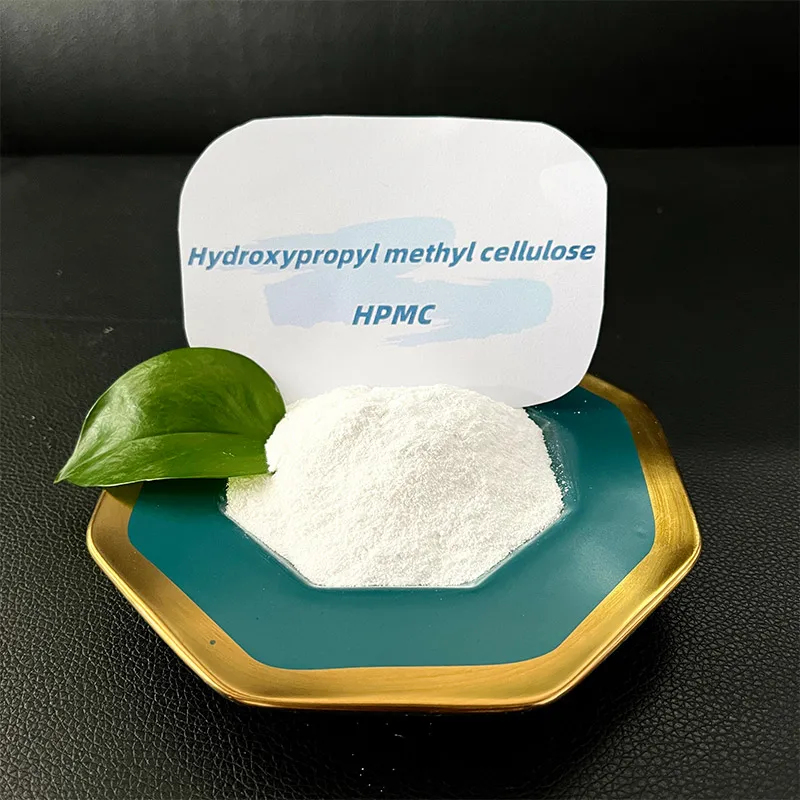
When weighing the benefits of HPMC (Hydroxypropyl Methylcellulose) against HEMC (Hydroxyethyl Methylcellulose), it is essential to delve into both substances' unique characteristics, applications, and roles. My insights are drawn from extensive experience in product formulation and material science. HPMC and HEMC have carved niches in various industries due to their versatile applications. Both are cellulose derivatives, commendably known for their solubility in water, non-toxicity, and biodegradability. However , their varying functionalities make them apt for specific usages. HPMC is widely acclaimed in the construction industry, serving as an excellent thickening agent, adhesive, and binder in cement and mortar applications. Its extensive use is attributed to its ability to improve workability, water retention, and bonding strength. Not only does it stabilize mixture components, but it also significantly reduces sagging in vertical applications. Such proficiency makes HPMC a preferred choice for tile adhesives, plasters, and renders. Conversely, HEMC shines prominently in the paint and coating industry. Its significant attribute is its exceptional thickening efficiency, which leads to improved application properties and ensures uniform film thickness. HEMC's modified etherification process imbues it with unique pseudoplastic and thixotropic properties, which are pivotal in providing superior stability and rheological control in paints. As a result, HEMC prevents sagging and running of paints, ensuring a smooth and even finish. A defining characteristic distinguishing HPMC from HEMC is their thermal gelation temperature. HPMC typically exhibits a higher thermal gelation temperature, which is advantageous in situations demanding hot environment stability. Therefore, for applications requiring film formation upon heating, such as in thermal bonding, HPMC is more suitable due to its consistent performance under elevated temperatures. hpmc vs hemc In pharmaceutical applications, both HPMC and HEMC find their place, though HPMC holds a dominant presence. HPMC is utilized extensively in tablet formulations as a binder, film former, and controlled release agent. Its ability to form strong, flexible films allows for the effective encapsulation of active ingredients, ensuring sustained release. The inert nature of HPMC ensures it does not interact adversely with drugs, preserving their efficacy. While HEMC is not entirely left out of pharmaceutical applications, its use is more circumspect. It finds use where specific pH sensitivity or unique viscoelastic properties are required. Additionally, in personal care products, the lower surface tension imparted by HEMC aids in the formulation of creams and lotions, providing a desirable sensory experience. The exploration of eco-friendly, sustainable solutions puts both HPMC and HEMC at an advantage due to their cellulose backbone. Nonetheless, manufacturers' choice between the two often aligns with the precise needs of the end product. Commercially, HPMC might offer broad-spectrum utility; however, HEMC’s specialization makes it indispensable in niche market segments. In conclusion, the decision between HPMC and HEMC should be informed by the specific application, consumer requirements, and desired outcome. A meticulous evaluation of their properties aligned with industry needs often informs judicious selection. As market demands evolve towards sustainability and performance, both HPMC and HEMC are positioned as integral components across industries, offering unparalleled benefits tailored to their respective roles.
-
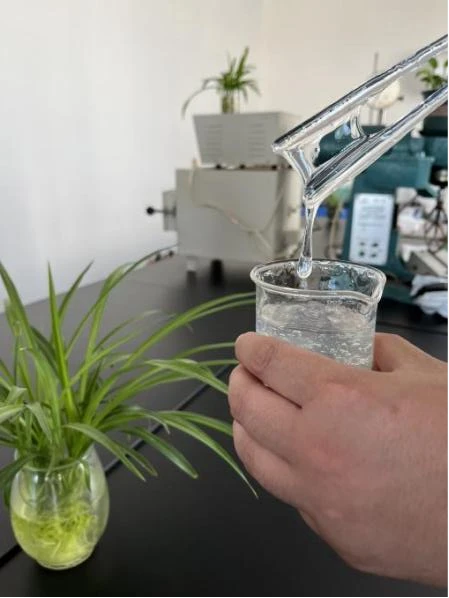
Hydroxypropyl methylcellulose (HPMC) , often celebrated for its multifunctional prowess, is a cellulose-based polymer valued across diverse industries due to its unique combination of properties. Traditionally rooted in the pharmaceutical and construction sectors, HPMC has transcended its conventional roles and is now pivotal in cosmetics, food technology, and even sustainable packaging solutions. In pharmaceuticals, HPMC's renown stems from its role as an excipient. Its ability to control the release rate of active ingredients elevates it to an indispensable component in controlled-release formulations. Moreover, it serves as a disintegrant in tablet formulations, ensuring rapid dissolution and absorption in the digestive tract. For patients, this translates to enhanced therapeutic outcomes and improved medication adherence. Transitioning to the construction industry, HPMC excels as a vital additive in dry mortar products. It enhances water retention and workability of cement-based materials, a boon for masons aiming for superior finish and bond strength. Its ability to efficiently hold water mitigates premature drying, leading to fewer cracks and defects in cured mortars. This, in turn, reduces the need for rework, saving costs and ensuring the longevity of construction projects. In the realm of cosmetics, HPMC's contribution as a thickening and emulsifying agent enables the development of myriad beauty and personal care products. Its non-toxic nature and skin-friendly properties make it ideal for shampoos, creams, and lotions. Consumers often laud these products for their smooth application and enhanced aesthetic appeal, attributed largely to HPMC's uniform consistency and stability. hydroxypropyl methylcellulose uses The food industry further benefits from HPMC's versatility. It functions as a vegetable-derived emulsifier and stabilizer, ideal for vegan and vegetarian products. In gluten-free baking, HPMC's role in mimicking gluten properties ensures that baked goods maintain moisture, structure, and palatability. This not only broadens options for those with dietary restrictions but also enhances the culinary experience for all consumers. HPMC’s role in sustainable packaging presents a fascinating development. As industries pivot towards eco-friendly solutions, HPMC is being explored for biodegradable film coatings, which can replace traditional petroleum-based plastics. This aligns with global ecological goals, addressing environmental concerns while maintaining functional integrity. Analysts and experts underscore the significant impact of HPMC's low allergenic potential and biocompatibility across applications, ensuring consumer trust and product safety. Its authoritative presence in multiple regulatory approvals further solidifies its reliability, instilling confidence among manufacturers and end-users alike. Looking forward, HPMC's scope continues to expand, supported by ongoing research and innovation, challenging manufacturers to harness its full potential. For businesses leveraging HPMC in product formulations, the key lies in understanding its multifaceted applications, integrating them thoughtfully to cater to evolving consumer demands. By doing so, companies not only capitalize on the robust capabilities of HPMC but also position themselves as leaders in sustainable and consumer-friendly solutions. Through strategic partnerships and continuous exploration, the future of HPMC promises even more groundbreaking contributions across various sectors.
advantages
-

200000 Viscosities
Excellent product
We can produce pure products up to 200,000 viscosities
-

40000 tons
High yield
We don’t stop production all year round, and the annual output can reach 40,000 tons
-

24 hours
Quality service
We provide 24-hours online reception service, welcome to consult at any time
———— Inquiry Form
Schedule A services
-
 hpmc_full_form
Oct . 25, 2025
Hydroxypropyl Methylcellulose (HPMC) has emerged as a versatile compound with increasing application - polybenzimidazole_powder
Oct . 25, 2025
The world of construction and industrial materials is constantly evolving, and the demand for innova -
 is_hpmc_safe
Oct . 25, 2025
Hydroxypropyl Methylcellulose (HPMC) is a multifaceted compound that has garnered significant attent


